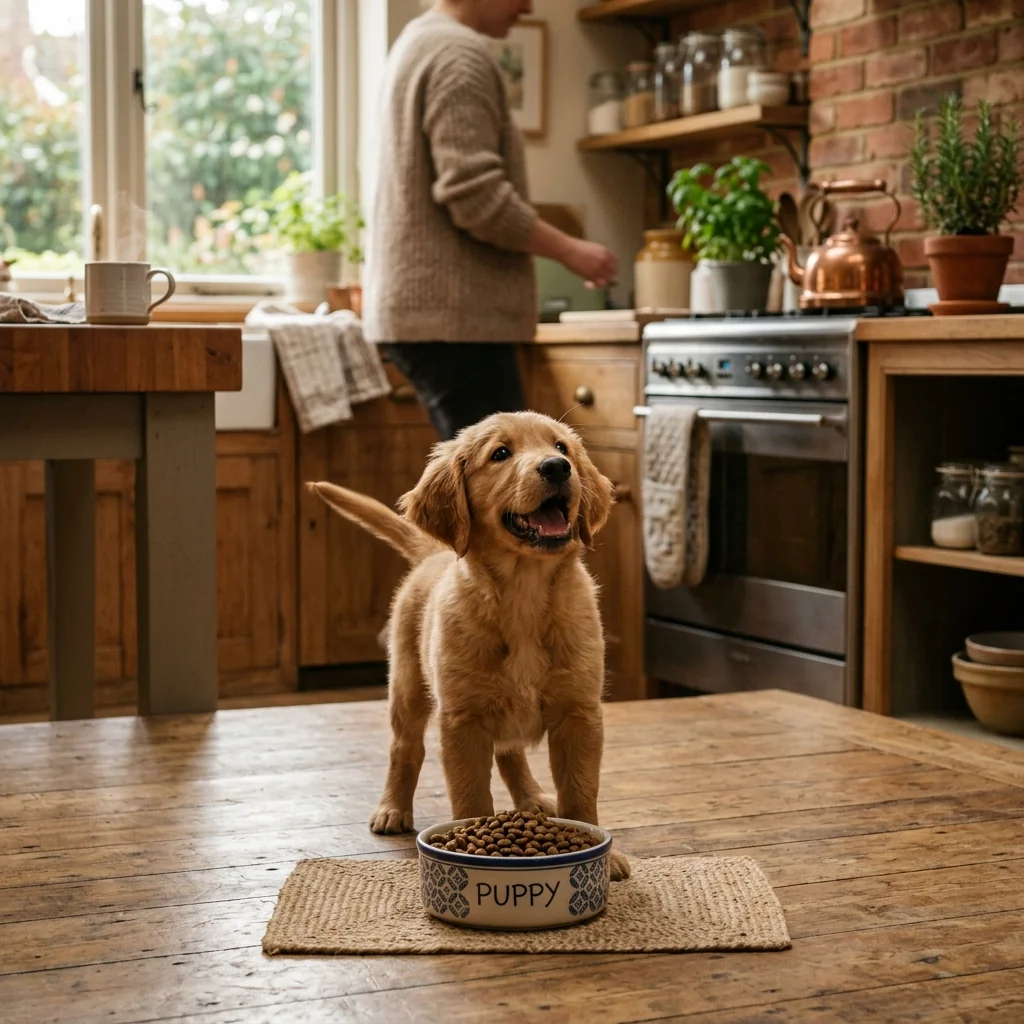
The largest environmental cost of a pet is its food, and nothing in a shop changes that much. What a shop can change is the packaging, the replacement rate, and how much of what you buy ends up in a bin within a year. Those are worth attention; most of the rest is marketing.
Buy things that survive
Durability beats material almost every time. One rubber toy that lasts three years is a better outcome than six recycled-fabric toys that last two months each. The same goes for bedding: a bed with a replaceable cover and a separate foam base outlives four cheap ones, and the covers are the only part that needs replacing.
Where refills genuinely help
- Litter in paper sacks rather than plastic tubs, bought in the largest size you can store dry.
- Shampoo and cleaner concentrates, which ship a fraction of the water weight.
- Larger food bags. One 12kg bag uses far less packaging per kilo than six 2kg bags, provided you can finish it while it is fresh.
- Compostable waste bags only where they are actually collected for composting; in a landfill bin they behave much like any other bag.
Washables
Washable pads instead of disposable ones, cloth towels instead of kitchen roll, and a bed cover you can run at sixty degrees all move consumption from the bin to the machine. That is a real improvement if you already run full loads, and a smaller one if it means extra washes.
The greenest product is the one you do not have to buy again next spring.
The honest caveat
Do not compromise a pet's health for packaging. A prescription diet in a plastic pouch is not the place to economise, and neither is flea treatment or a well-fitted harness. Cut waste where it costs the animal nothing: packaging size, replacement rate, and buying less of the fifth toy.